‘Strangers in the land’ or friends at our table?

I love it that God only ever invites us to do what he has already provided a long and perfect example of.

The Old Testament maps out Israel’s emergence as a nation that was to be ‘holy’ – set apart, chosen by God ‘to be a light to the nations’, acting in ways that aligned with God’s design for creation, reflecting his heart and character – a great evangelising witness in word and deed.  A common theme through those stories is God repeatedly choosing them not for their greatness, but because of his unfailing and steadfast, loving character. Psalm 136 captures this beautifully: through every line of their history, through all its ups and downs, God’s love remained steadfast, enduring, eternal (see also Dt. 7:7, 1 Cor. 1:26f).  His historical treatment of them was to be a constant reminder to Israel of how they were to treat ‘the orphan, the widow and the stranger in the land,’ and thus a regular refrain throughout the Bible is: remember your history, and treat folks the way that God’s treated you (see Dt. 10 and 1 John 4).  Christians, therefore, aren’t just to be known for professing their love of God, but their practical and demonstrated love for other people, not least the ‘orphan, the widow and the stranger in the land.’

Next week is refugee week.  I get that refugee situations are complex – if there were only easy answers, the conversation would have been finished by now.  But there’s biblical simplicity around this issue too: surely – as people who want to ‘be a light to the nations’, expressing something of God’s character and desire in the world – surely our response to these ‘strangers in the land’ must being with and aim to express something of God’s steadfast, enduring and unconditional love. 

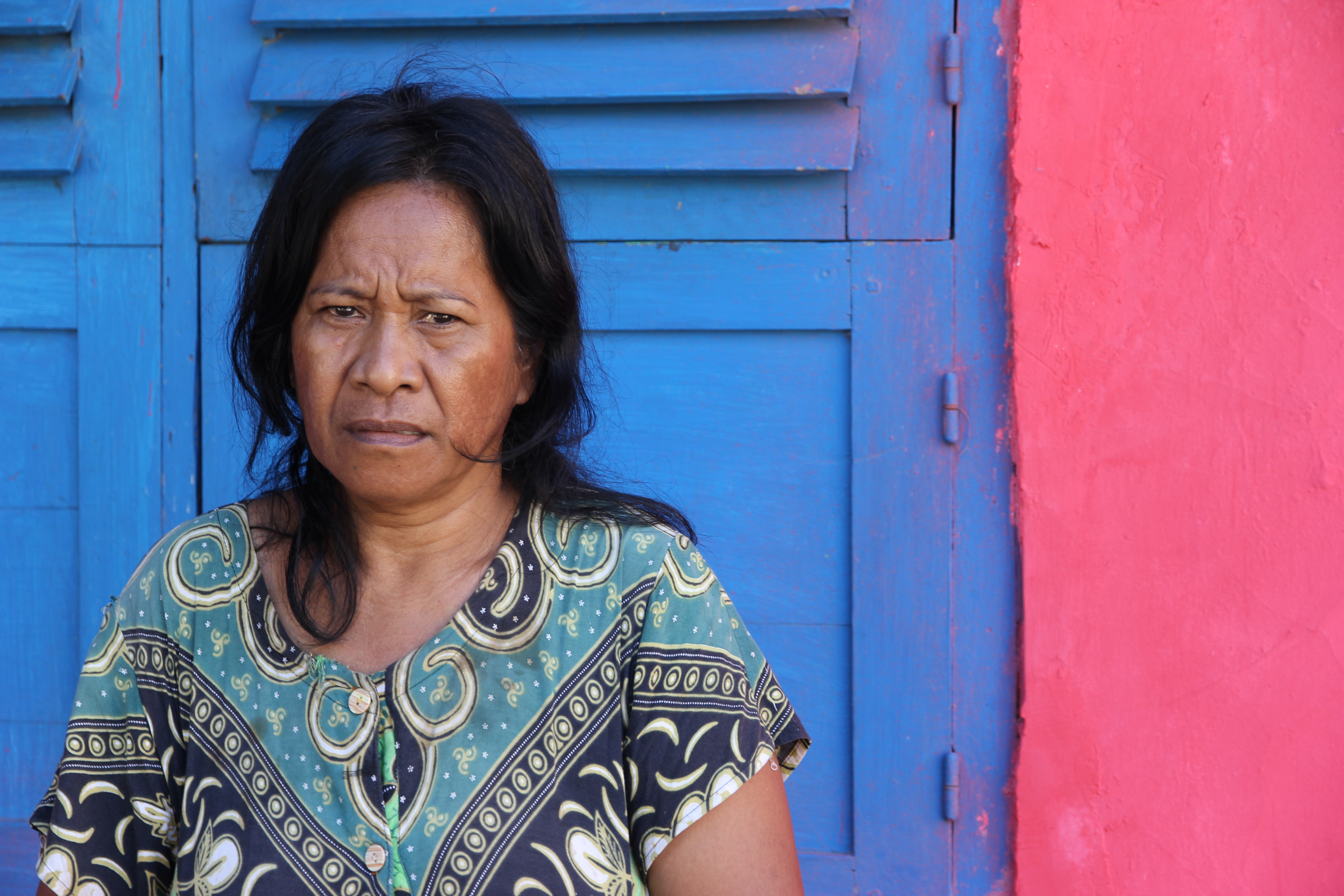
In my limited experience of supporting refugees and asylum seekers in our community, this approach shifts something in us too and ‘strangers in the land’ become ‘friends around our table’ (and at time ‘prophets in our midst!’). As often happens in God’s delightfully upside-down economy – their kindness and generosity become beautiful reminders (‘evangelising witnesses’) to us of God’s generous and steadfast love. I remember an Iranian man who lived with us a few years back regularly knocking on our door. It was almost always in the immediate aftermath of me stressing about our (very comfortable) costs of living. He was a man with virtually no economic assets, but he’d be standing there with a wide smile on his face and a meal he’d prepared for us. Just this past weekend we were welcomed into a Syrian family’s home and plied with fresh, homemade shawarma, falafel and baklava until we couldn’t eat anymore. They arrived a fortnight ago with their entire belongings in a handful of suitcases and (at most) a few hundred dollars. Extravagant, God-like generosity and hospitality – who’s receiving grace here?

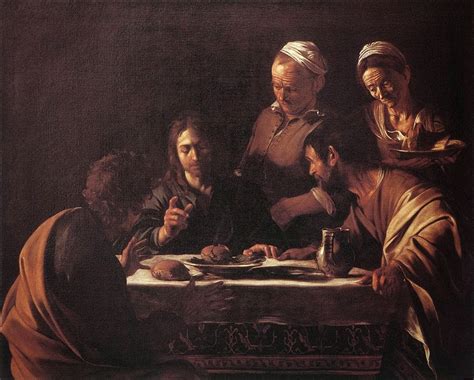
I have a small copy of Caravaggio’s Supper at Emmaus in my office. There’s a fascinating story behind this painting (and it’s earlier edition), but I love the reminder of how Jesus revealed himself through the sharing of a meal and the breaking of bread with strangers.

A couple of ways to reflect (and act!) on moving ‘strangers in the land’ to ‘friends at our table’ you may or may not already be aware of:

If you’re in Perth: CARAD have some great events lined up for next week.  You can check them out here.

Having a look the CRISP program: a new model of settling refugees in Australia that is community-led and relationally centered.  Our family is part of the trial and we’re happy to share our experiences so far – get in touch if you’d like some insider info. They’re looking for more support groups (of five or more adults) to join the trail.  There’s more information on the CRISP program here.

Have a read of Refuge Reimagined by Mark and Luke Glanville.  It’s an easy-but-deep-and-practical book on ‘biblical kindship in global politics’.  If you’re in Perth, feel free to drop by and borrow a copy.

Posted in Uncategorized | 2 Comments

A conversation with Steve Bradbury (part 2)

This is the second episode in a short podcast series of conversations with Steve Bradbury, capturing some of his stories, thoughts and reflections on his time as director of TEAR Australia (now Tearfund Australia). You can find more details about Steve in this previous post, but he has a deep commitment to faith-integrated poverty alleviation and is gifted at telling stories in a way that is both engaging and thought-provoking.

You can also access the podcast here.

In this episode Steve shares some stories and reflections from his initial years as director at TEARfund Australia, including the impact that visiting economically poor communities had on him, why he took an educational (rather than a fundraising) approach to supporter engagement and the variety of ways that people responded to this new way of working.

Posted in Uncategorized | 2 Comments

A conversation with Steve Bradbury (part 1)

Steve Bradbury was the national director of Tear Australia (now Tearfund Australia) for 25 years, served for several years on the executive of ACFID, the peak body of aid and development organisations in Australia. He was instrumental in establishing Micah Global, a network of evangelical faith-based development organisations and its global advocacy program Micah Challenge. Steve designed and facilitated Eastern College Australia’s Master of Transformational Development for 11 years (this is the course that I completed in 2018 and now help facilitate), and he remains heavily involved in the the course in a voluntary capacity.

Steve’s contribution to faith-based development is nothing short of phenomenal. But I would argue that the volume of his contribution is second to the way that he has done it. I’ve had the pleasure of studying under Steve and now working alongside him, and he approaches every aspect of his life with integrity grounded in a firm conviction and commitment to biblical principles. This has at time caused significant difficulties and challenges for Steve, but has – in my opinion – been a brilliant and encouraging example of faith-integrated poverty alleviation and a life that seeks to follow the narrow path of Jesus in a messy and broken world.

Over the past few years I’ve had a growing sense that capturing something of Steve’s story and contribution to faith-based development would be an important task that’s helpful for development practitioners and Christians who are keen to explore the implications of a holistic gospel. I’m really thankful that Steve agreed to do this, and so every month or two we’ll be recording a new podcast episode.

You can also listen to it here.

In this first episode, Steve outlines formative moments in the years leading up to his appointment as national director of Tear Australia.

Posted in Uncategorized | 2 Comments

Poor perceptions: the poor are lazy

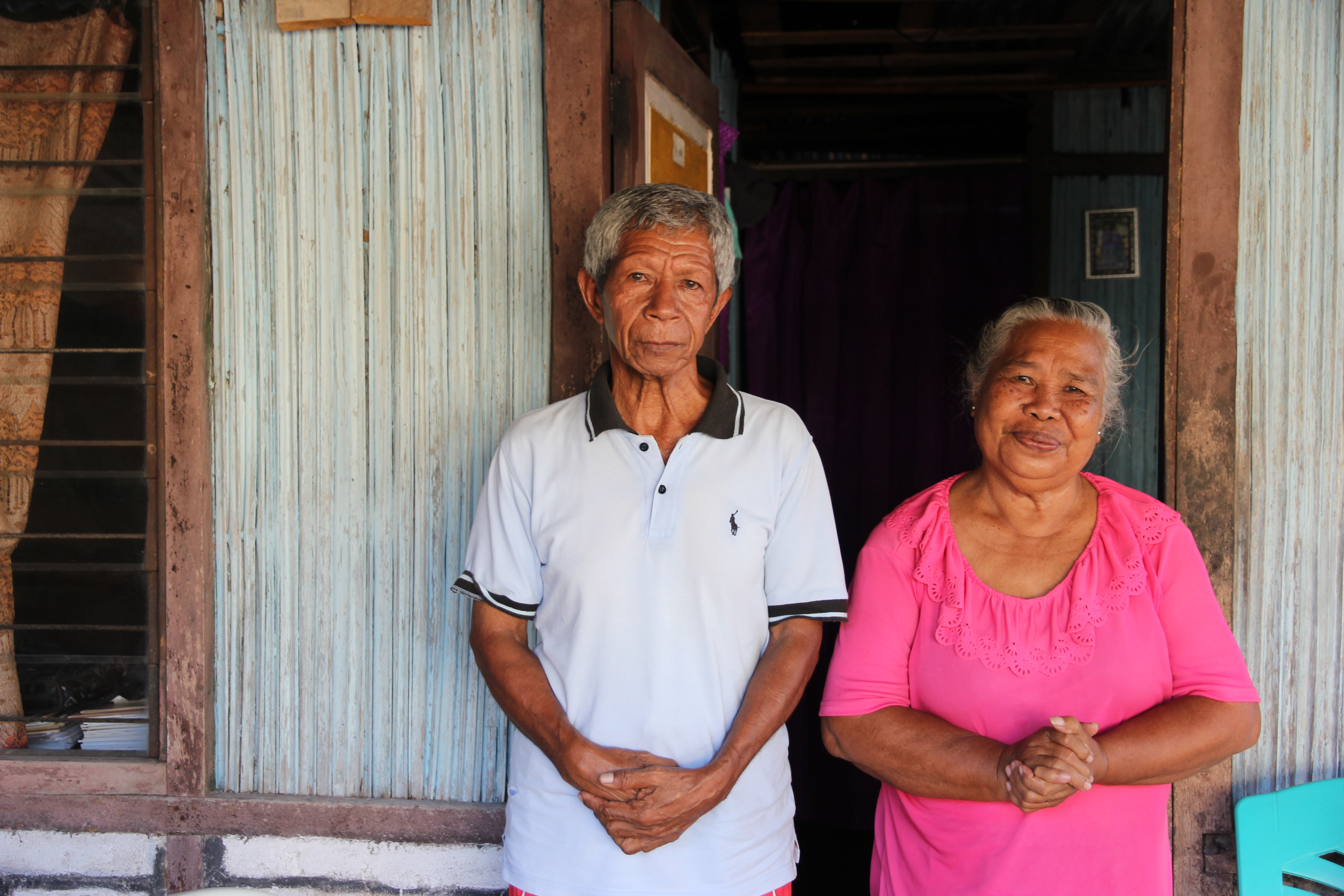
It’s very common – almost standard fare – to arrive mid-morning at a village in rural Indonesia and be greeted by a porch full of people.  Space will be made for you on the woven mats, coffee will be poured, and snacks, meals and slow conversation will be shared in the hours that follow.  People will wander in and out, but there will often be a steady presence of community members until you leave.

This is quite a sharp contrast, a very different experience to dropping by a friend’s house here in Australia.  In my hometown of Fremantle, there’s generally no ‘dropping by’ – it will normally be pre-arranged, and almost always in the evening or outside of work hours.

I remember sitting on a front porch in rural Indonesia, and around the third hour in, wondering why all these people weren’t working at midday.  I couldn’t help thinking that perhaps this sitting-around-drinking-coffee-all-day lifestyle might be a key contributor to their economic poverty.  I couldn’t help thinking they were, well, a bit lazy.  I have a hunch I’m not the only Australian to have had this midday reflection on a rural Indonesian porch.

And the evidence seems to support this idea.  Australians are always busy (‘How are things?’ ‘Yeah, busy…’), with packed schedules and long work hours.  If there is a blurring of work-rest boundaries, it’s almost always work interrupting our down-time, and rarely – if ever – leisure interfering with work hours.  We’re a wealthy country and people work long hours; surely there’s a correlation there right?  In Australia, sitting on your porch with a bunch of mates for hours at midday won’t make you rich, will it?

And further, if everyone has ‘sinned and fallen short of the glory of God’, the economically poor are also sinful, prone to gluttony, laziness and so on.  And as people remind me from time to time, there are passages of Scripture along those lines: ‘Go to the ant, you sluggard’ (interestingly, there are significantly less of these passages compared with those calling the rich to act more justly).

Are the poor lazy?  Well, like many things, it’s a little more complicated and layered than that.  Sure, some economically poor people are lazy – that’s inevitable; no group of people are exempt from indolence.  But odds are you’ll find many more lazier wealthy people than lazy poor people; procrastination and idleness are luxuries that most economically poor people can’t afford.  Can’t be bothered doing the physically intensive work of planting crops and tending them in rural Indonesia?  Odds are you’ll be indebted and hungry come the dry season.  Can’t be bothered doing the physically intensive work of planting crops and tending them as a wealthy person in Fremantle, Western Australia?  Odds are you’ll browse air-conditioned aisles of a nearby supermarket for whatever it is that you feel like eating, whether it’s locally grown, in season, expensive or not. Actually, you’d order Uber-eats right?

The reality is that the rich have much greater opportunities for laziness in its variety of forms.  Conversely, the poor have many more pressures and factors that leave them no option but to work hard; no electricity, no running water, no shopping centres, little-to-no income. Laziness in that context risks an early death.

So what’s going on with these extended midday breaks on rural Indonesian porches?  Well, context is everything, and there’s a few possibilities – I’ll just share one. 

It took me a few years to become aware that my arrivals were pre-arranged, often weeks in advance – such is the gentle, subtle nature of Indonesian hospitality.  I had thought we’d caught porch-sitters unawares, but I was the ignorant one.  They were ready and waiting – with food and drink they wouldn’t normally have – to greet ‘the stranger in the land.’  They’d adjusted their workload around my visits, and would play catch-up in the days before and after my arrival.  But to have a visitor arrive with no-one to greet them would be unacceptable, terrible hospitality.  Instead, they’ll down tools to create a welcoming space, and hold that space for as long as the visitor stays, regardless of the pressure of work that needs doing.    Hospitality trumps outputs, daily targets or to-do lists in rural Indonesia.

Are the poor lazy?  Sure, some of them are – but they’re very much in the minority.  And a porch full of villagers in rural Indonesia is not evidence of that, although first glances suggesting it might be.  Rather it is reflective of an incredibly gentle, hidden and generous hospitality that challenges not just my own notions of generosity, but also my tendency to value maintaining strict work hours over relationships and hospitality.

So I’m learning that even despite plenty of time spent abroad, odds are I don’t entirely know what’s going on when I’m in a cultural context that isn’t mine.

Which makes me wonder how wildly inaccurate my conclusions and assumptions are in my own cultural context.  Do I have a better handle on what’s happening because I’m familiar with it, or does my familiarity give me a particular blindness? What’s really going on behind the cardboard signs requesting assistance on the sidewalks of Fremantle’s café strip?  What’s the real story – not the one I’ve constructed as I walk past?  And not just what’s the story, but who is the person behind that sign?

I have a hunch that only time spent together on a proverbial porch sharing coffee, snacks and slow conversation will begin to uncover the beauty, the suffering, the brokenness and the gifts in both of us.

And who knows what might be discovered and develop?  In my limited experience, it’s often those who are the most different from me who have offered the richest, most interesting and challenging insights for me to ponder.

This will be published in the upcoming Amos Magazine – if you’d like a copy, and you’re not already on the mailing list, let me know and I’ll make sure you get one!

Posted in Uncategorized | 4 Comments

Opa in the storm

You might remember cyclone Seroja visiting Australia and giving Kalbarri a thrashing. Prior to that she had danced down the streets of Eastern Indonesia, flinging roofs off houses, snapping trees, causing significant damage – in some places, she came around later for a second round to make sure nothing had been left untouched. In the days that followed, I remember scrambling to get in touch with people that I knew over there, and those uncomfortable hours – and in some cases days – where I waited to hear back from friends in the impact zone. That’s one of the risks of getting to know people in disaster-prone areas I suppose.

Last week, right at the end of a very full and very encouraging week with TLM in West Timor and Rote, we visited a few of the folks who had been impacted by Seroja, and were assisted by TLM in the aftermath. Their homes are tucked away in the backstreets of Kupang, in places I wouldn’t normally visit – I’d get lost in the maze of narrow streets and ram-shackled houses, though we were likely only a few streets back from the main road. I’m always intrigued by the way that whole life stories are being crafted, with all their joys, hurt and drama just out of reach and a few streets back.

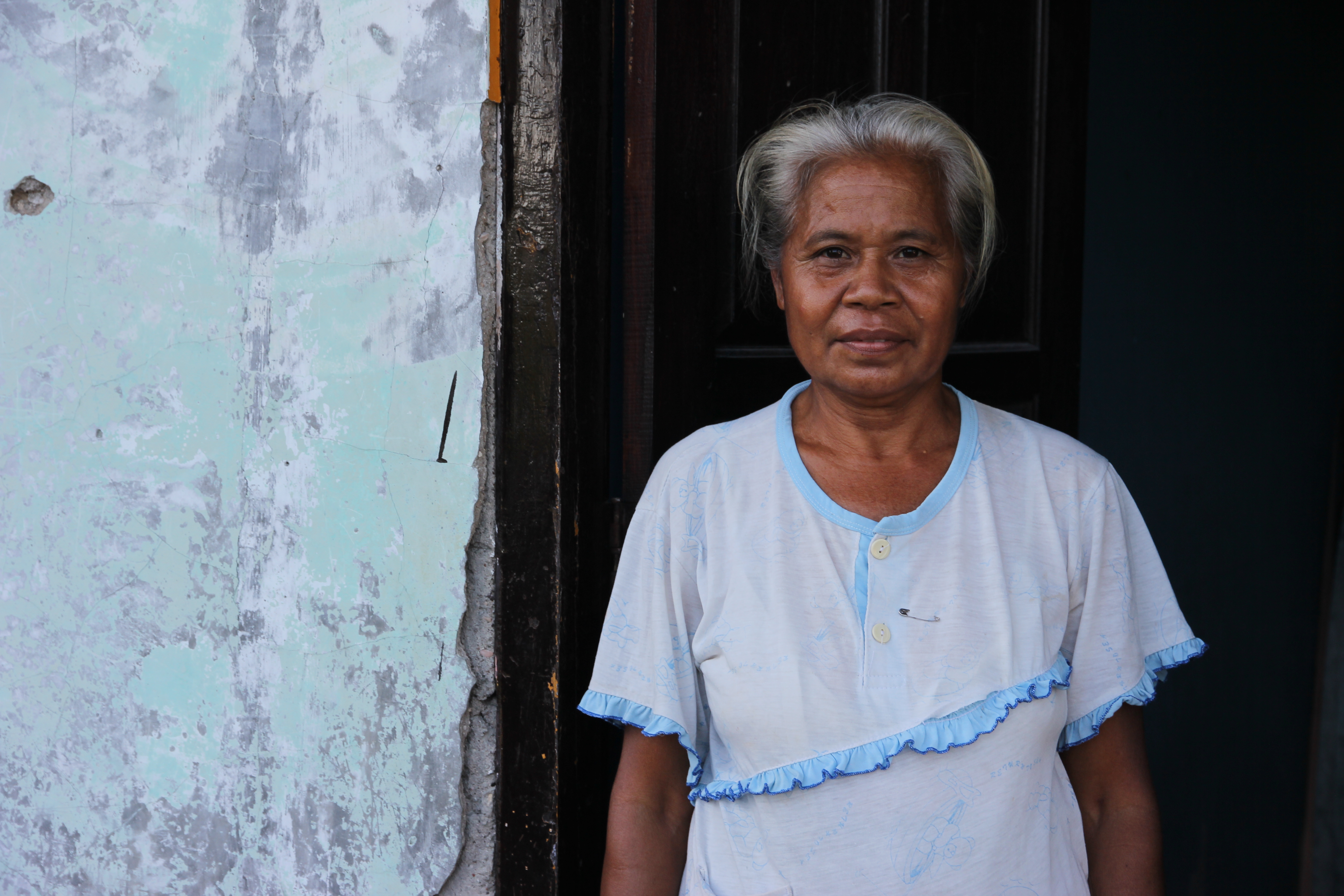
The first lady we visited runs a tiny shop next to her home, selling soap, snacks and cigarettes. Her husband isn’t able to work because of health issues, and so things are pretty tight, but like so many tenacious women, she gets by. When cyclone Seroja came, she hid with her family in the front room while their roof slowly peeled off, exposing the night sky and the lashing rain. It sounded like war, she said.

She showed us the new roof, and expressed her thankfulness for the assistance she had received. I asked a few more questions, but it was a fairly short conversation. I want to be careful about expressing some kind of assumption about how things were for her – it takes a lifetime to know people, and we were only there for 20 minutes or so – but she seemed to express something like: the house was smashed up, it’s been fixed, thanks for the help, I’ve got soap and cigarettes to sell. Not dismissive, but seemingly unscarred by what I would consider a rather hectic event.

I have few qualms about sharing her story – and she was happy for us to share it. It’s fairly straightforward, and while the usual power imbalances and accompanying conundrums were there, it felt ok to share her story.

But Opa was different. We visited him shortly afterwards, and he started his story in similar way. As night fell, the wind started picking up and the rain got heavier until it reached a crescendo. At around 2am, he said, things shifted gears and a terrifying eternity began as they were enveloped by darkness and the sound of things being shredded, let go, smashing into each other. Their roof lifted off, and he cowered in the corner of the living room with his wife and grandchild, calling out to God and convinced that they would die. They spent hours like that, nowhere to go, nowhere to hide, nothing to protect themselves: an eighty-something-year-old, his wife and teenage grandchild waiting to die in a terrifying, chaotic darkness.

As he retold what happened, the terror returned and he’d choke up, sort of gasping for air as he felt that night rush back and take over his body. But he kept telling the story, and ran over it a few times like he wanted to make sure we got the full picture, that we understood something of what he had gone through.

In the silences I was tearing up with a mix of emotion. It’s just not right for people to have these kinds of experiences, and climate change aside, there is enough money in the world to build safe houses and disaster evacuation systems to prevent the Opas of the world from cowering their way through a cyclone. His suffering – their suffering – was entirely preventable, unnecessary. It’s like we’re running a torture machine from another continent.

We walked further up the road, and met another lady whose experience seemed similar to the first one we had met – her husband was seriously ill, just back from hospital and half the house was trying to isolate because of Covid-19 when the cyclone hit. Same story: roof off, waiting for what felt like eternity in the darkness while Seroja smashed up the place. The family huddled together, the rain coming in, a long wait in the deafening chaos. But like the first lady, she spoke with a calmness that seemed to suggest she had been able to place it, or that it wasn’t the first terrifying disaster she had been through.

As we walked back down the hill and past Opa’s place, I couldn’t help but wonder about this whole story-collecting-for-supporters role. Surely it’s good for us to share stories with people back home, and my hope is that we’ll use them to encourage, convict, teach or show a different angle on things. For example, we were there to hear stories of positive impact from our assistance, but Opa’s example showed that we need more justice pre-disaster, and more than new tin roofs post-disaster.

But which stories should we share? Are there at times stories that we should sit and listen to and leave behind? And who should choose which are shared, and which are left? But regardless, who are we to come and make this man re-live an evidently traumatic experience? Or was it somehow cathartic for him to be seen and heard, for someone in a position of power to come and sit and listen empathetically to his story? Were we perhaps the first? Or were we just another organisation wanting a good news story for our donors? Is getting consent to share his story even consent if he’s so shaken at the time we ask for permission? Or is us sharing his story in a way that hopefully helps people feel something of what he felt – can that somehow be empowering for him and educational for supporters? Should we share stories based on net-benefit? Can sharing stories be done in a way that somehow builds relationships between rich and poor? How do we determine when it’s appropriate and not appropriate to share a story? How do we help financial supporters see beyond the roof they donated to the person who lives under it – with all their complexity and nuance? How do we capture that in 20 minutes, two photos and 300 words? And who ultimately benefits from the sharing of this story?

On the way over to Kupang, I had caught up with a good friend for a late-night chat in Bali – someone who created space for me to work in the realm of development before I had any qualifications or experience. He’s something of a mentor to me – when I grow up, I’d be pretty content if I turn out like Simon. But I remember hitting him up a long time ago with a similar list of questions I had about things, and he said something along the lines of: sometimes the answer is the questioning.

So I suppose I’m thankful that Opa was willing to share his story with me in the way he did, with all his vulnerability and pain. At very least, it’s made me pause and ask some questions about why I want to hear these stories and how do I go about it in a way that genuinely cares for the person whose story I’ve had the privilege of hearing. And so perhaps the question that lingers strongest is:

What did Opa think and feel as he watched the bule walk back to his motorbike?

I guess I’ll never know.

But my hope?

That somehow he felt heard and loved.

Posted in Uncategorized | 4 Comments

A prayer with India

A wonderful aspect of my work is that I meet and develop relationships and friendships with people in different parts of the world. They’ve helped me to see the world a little differently and remind me that the world is full of beautiful people doing all sorts of interesting and wonderful things. But it also means that when disaster strikes, the odds of me knowing someone who has been impacted has increased.

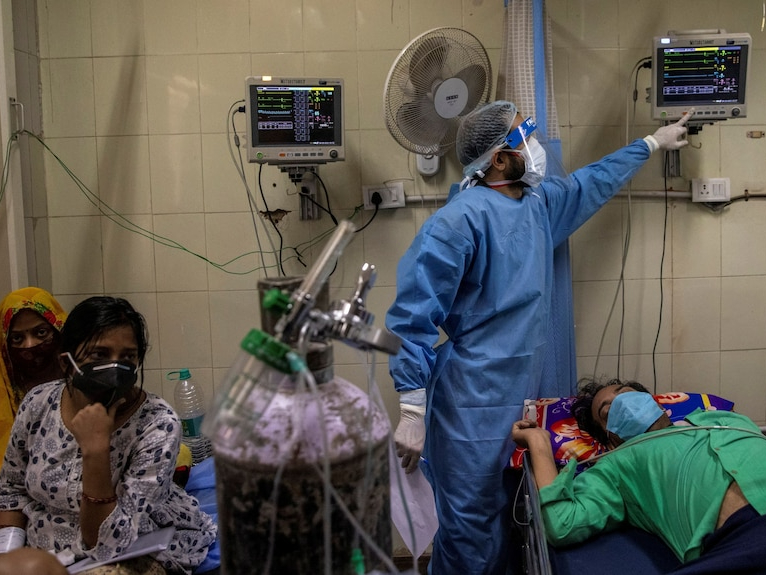
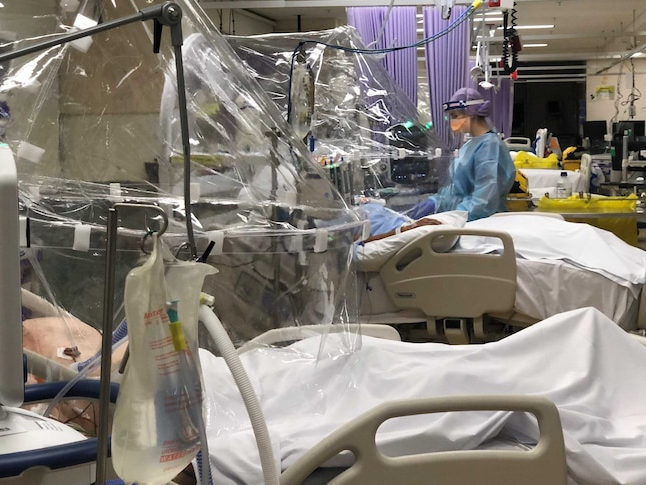
I’ve been following the Covid-19 situation in India and late last week we gathered with some students and alumni of the MTD to pray for those impacted. Yesterday there were almost 350,000 new cases, and more than 2,700 deaths (and while that’s the official record, it is likely those stats are higher). There are shortages of oxygen and medicine, and people are desperately trying to get help for family and friends struck down with Covid-19.

I prepared the liturgy below for us, and I thought it might be helpful to share for others who are praying for the situation in India. I’ve been finding myself gravitating back towards liturgies – I love spontaneous prayers, but I also find that set prayers help me to pray things I wouldn’t otherwise pray, and they often give me words when I don’t know what to pray.

Father, Son, Spirit,

We hear of our suffering brothers and sisters

Shut-in by Covid-19

Of hospitals and doctors

Overwhelmed by those in need of help

We hear of needless deaths

Of oxygen and medicinal shortages

And we are unable to help

We see the growing inequality

Unjust distributions of vaccines

Rich countries turning inwards

Throwing leftovers to suffering neighbours:

It feels like darkness and death are winning

We’ve prayed for so long:

‘Your kingdom come,

Your will be done

But where is Eden being restored in this?

Where is your Nazareth Manifesto?

Where is ‘good news being proclaimed to the poor’1

And ‘the year of Jubilee’2

Being ‘fulfilled in our hearing’?3

Where is the power of your resurrection

In the midst of this suffering and death?

Have you abandoned the people you love?

With those whose lungs

Are inflamed by Covid-19

We cry out:

‘Have you rejected us O God’?4

With those desperately

Seeking help for loved ones

We cry out:

‘How long will you stand far off?’5

With those who have had to bury

Family or friends

Without ritual or saying goodbye

With those terrified

Of contracting this virus

Knowing it may be a death sentence

We cry out

‘from the depths of despair:

Lord, hear our voice!’6

Mixing their cries

With ours,

We hear your voice

Join ours in pleading:

‘My God, my God

why have you forsaken me?’7

Father, Son and Spirit,

We implore you:

Do all you can

To ‘be good news to the poor’

To make this ‘the Year of Jubilee’

To ‘fulfill this in our hearing’ even today.

Beloved Father,

Make your loving presence

Felt by those

Whose bodies are wracked by this virus

Surround and embrace

With your gentle peace

Those who are confused, hurt and suffering

In the midst of this chaos

Beloved Spirit,

Give renewed breath

To those with lungs too weak to breathe

Give renewed energy

To doctors and nurses struggling to stand

Give renewed hope

To family and friends who feel lost and abandoned

Beloved Jesus,

Walk the hospital wards

Touch and heal the sick

Enter the crematoriums and gravesides

And bring bodies back to life

Appear behind locked doors

To break bread and offer reassurance

That ‘you are with us to the end of the age’8

We also ask that you

Keep our hands

Steady on the plough

That although we may

‘Look around the universe

From which every trace of you

Seems to have vanished,’9

We will still be able to

– somehow – 

Say:

‘Hallowed be your name.

Your kingdom come

Your will be done

On earth as it is in heaven.’

AMEN

___________________

1 Luke 4:18

2 Luke 4:18 cf. Isaiah 61

3 Luke 4:21

4 Psalm 60, 74, 108

5 Psalm 10, 13

6 Psalm 27, 130

7 Psalm 22, Matthew 27:46f

8 Matthew 28:20 cf. Luke 24ff

9 Lewis, C. S. The Screwtape Letters. Macmillan: New York, 1977.

Posted in Uncategorized | 5 Comments

Of Limericks and Lament

There was an aid worker in Perth

Thought writing was part of his turf

Whingeily bent

He wrote on lament

T’was published – and’ll cost ye the earth:

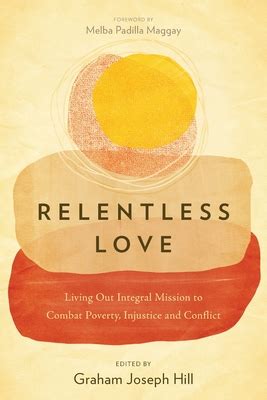
I’ve only contributed a chapter, and there’s a whole heap of other interesting angles on the topic of resilience for continuing to participate in God’s restorative work. This book is an outworking of the 7th Micah Global Triennial Consultation, and you can buy it here.

Posted in Uncategorized | Leave a comment

In defense of CRAP community development

I wrote this about a year ago, and it’s been sitting in the drafts folder ever since.  I actually forgot that I had written it, and only found it today.  So I blew the e-dust off it, had another read and tweaked it a little more.
I think I never shared it because I wasn’t as convinced at the end of it as my writing sounded.  Odd perhaps.  And while I’m still not comfortable with how strongly I’ve argued this one, I still  feel it’s worth sharing – but with this caveat:  I’m not as confident as the guy who wrote this.

These past few months, we’ve been working on a government grant application for funding.  When I say we, I mean Jake, my colleague at Amos Australia who has a much greater knack than me for grant and policy writing.  I love working with people who are gifted differently than me.  They’re something to behold, and I’m thankful for them.

As part of the prep for writing this grant proposal, Jake and I attended an information session about the grant. While it was helpful, I came away with a rather strong sense that the whole grant selection criteria is more about reducing the Australian government’s risk of reputational damage than about assisting economically poor communities abroad.  And so along with the grant submission, we’ve had to prepare a number of additional policies, including one on gender and another regarding disability inclusion.

While it’s certainly been a helpful thing for us to think through our positions on these issues and attempt to articulate how we’ll try to address them, I couldn’t help but contrast DFAT’s rather bureaucratic approach with what I experienced in a few rural Indonesian communities a few weeks back.

For example, I know that our partner organization has gender inclusion policies, and I would say that by and large they attempt to ensure that women’s ideas and opinions are included in village discussions.  But I visited one community earlier this month where women were present, but none spoke.  We visited another, and the women outnumbered the men 2-1, and out-spoke them 5-1.  At one community I didn’t see anyone with clear mental or physical disabilities – were they hidden away (as I know happens sometimes), or were there simply none?  At another, I found out that one of the women involved with building the greenhouse was mute and had a lower than average mental capacity.  Perhaps I didn’t realise because she was so well included.

I’m aware that these are only snippets of time – glimpses of community life that are momentary and altered by my presence, but I still think they highlight something important.

Here’s the challenge for us: it goes against my very approach to enforce policies onto our partners, particularly when the policies are in part based on culturally contingent preferences.  And here’s a further challenge: our partners can’t enforce gender and disability policies on the communities they serve (well they can, but they’ll be ignored as soon as they pass the community gates on their way back to the office).  So do our policies make a difference?  Can they make a difference?  Is there a different way to bring about change and ensure that we’re helping more than we’re hurting?

Over dinner at a little roadside warung on the island of Rote, I asked Pak Ferdy – a staff member of one of our partner organisations – why he got involved with this line of work.  It’s not a seemingly natural choice to make because it means lots of travel, longer hours and less pay than his previous job teaching at a school in the city.  He described a ‘sense of a calling’, and then explained the importance of his staff going beyond outcomes that are SMART (Specific, Measurable, Achievable, Realistic, Timely) to outcomes that reach into the realms of the spiritual and social relationships in the community – which are typically not so ‘SMART’ – without which, Pak Ferdy said: “our programs are worth little.”

Side thought: there’s an opportunity here for some great counter acronyms –

MESSY (Muddled, Easily derailed, So-So and Youthfully optimistic)?

DUMB (Dreamy, Unmeasurable, Mammothian, Backbreaking)?

CRAP (Chimerical, Relational, Arduous, Perplexing)?
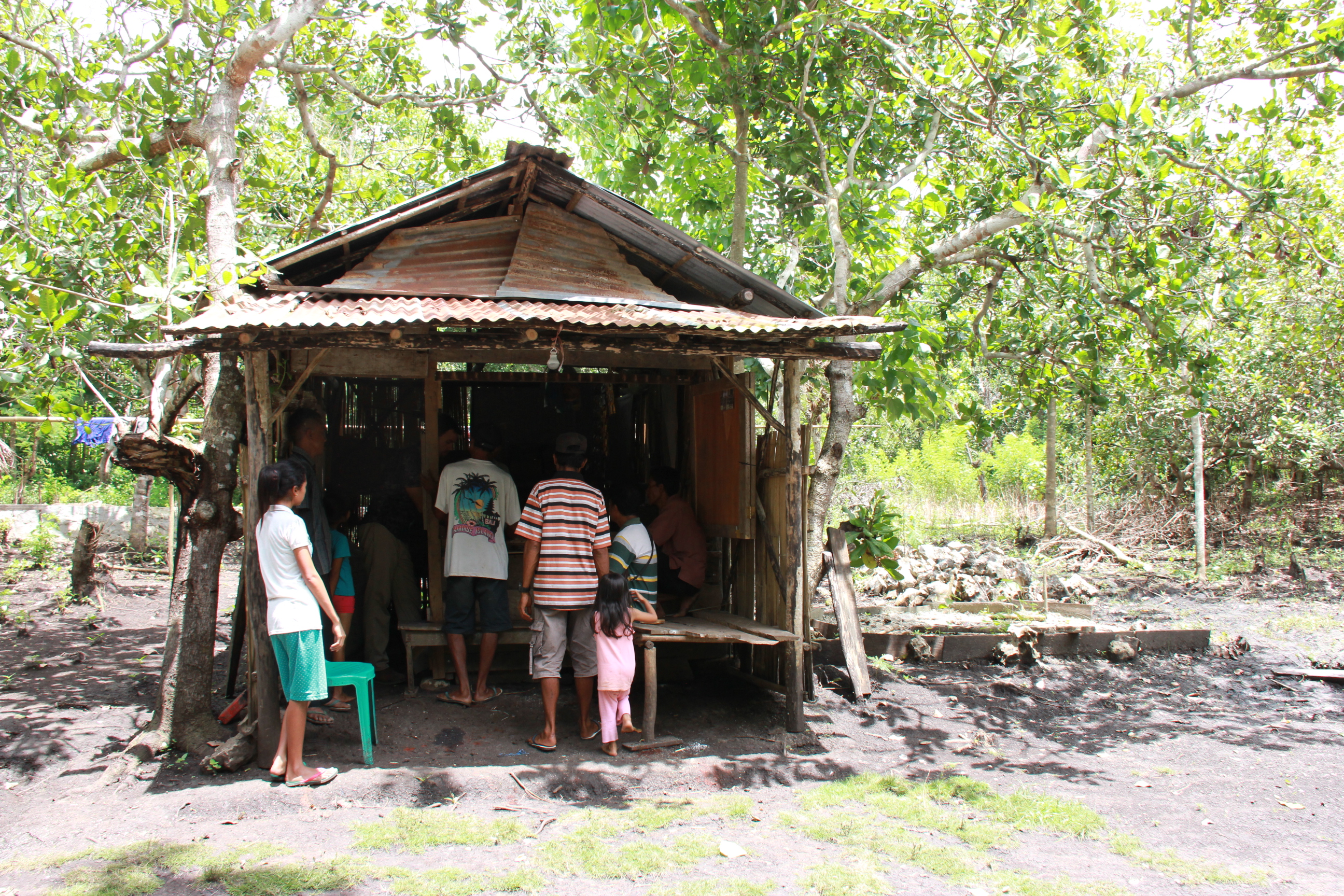
Community owned shop with YRM, East Sumba

I have a hunch that the relatively recent rise in policies for almost every sphere of our organisations has its conception in our (typically Western?) love affair with litigation, and our hope that creating a new rule will magically solve the problem in front of us. Think about the typical Australian response to a robbery, a murder or an environmental disaster: more rules, greater penalties.  But terror attacks still happen, the environment still gets hammered and people still get murdered.

But if I think about any relationships that I’d consider healthy, and consider what holds them together, I can’t think of any that have a strong policy portfolio.  There’s still boundaries, and discussion from time to time about the appropriateness of those boundaries, but I have a hunch the relationship flourishes because, well, it’s relational.

Again, the distinguishing characteristic of the various inclusive communities that I visited wasn’t so much their policies (I doubt they’d have any) but the way that they see and treat each other.  One community has recognized that their greatest wisdom comes from listening to everyone, while the other perhaps still thinks that the men know best (well… perhaps the men there still think the men know best!).  One village has realized that including a woman with a disability means there’s perhaps more laughter and fun in building a greenhouse than locking her away at home.  Or maybe they just include her because, well, she’s one of them.

I’m not suggesting we throw away our policies.  They are hopefully the articulation of how we see our theology in action, they can be helpful reminders of what we’re aiming for, and they can help us focus, avoid past mistakes, utilise the learnings of others and hold us accountable for what we set out to do.

But perhaps we need to hold them much more lightly than we do.  Perhaps we need to lower our trust and faith in them as effective agents of change.  Perhaps we need to stop developing them as a form of quasi-insurance that is more about protecting us than helping us serve people more effectively.  Perhaps instead we need to put more energy towards encouraging the likes of Pak Ferdy’s approach. Perhaps the key is finding people like him and partnering with them. I’m fascinated by the fact that Jesus primarily used stories, conversations and examples to get his point across.  The law, Paul wrote, didn’t work – all it ever did was highlight deficiencies and failures. Alternatively love ‘fulfils’ the law, achieves that which the policy aimed to do, but could never deliver.

I have no romantic visions that ‘if we all just loved a bit more and better, it’ll all work out.’  [Although I do believe that’s an often maligned but eternal goal, and I reckon we’ve got to keep giving it a red hot go in the meantime – even when it ‘fails’ (although love never fails, we tend to stop loving, and then what we’re attempting fails – at least that seems to be my pattern)].

But what I am suggesting is that if we spent more time building relationship with our partner organisations and their staff, we’d both have a much better handle on where the other is at, and we’d be in a much better position to know how to approach a cross-cultural conversation about things like gender and disability inclusion.  Perhaps we and our partner organisations need to make a point of regularly and mutually encouraging each other to make sure that our hearts are filled with love for those we serve – for that is when we’ll be at our best, deliver the greatest results and be the most inclusive. Having a heart of loving openness to whoever we meet is in itself transformational, and so perhaps change is primarily about being with, to borrow from Samuel Wells’ A Nazareth Manifesto.  But it’s also quite likely that I’m setting up a false dichotomy.  Maybe the tension between policies and relationships is just that: a tension I need to learn to live with.  I’d be keen to hear your thoughts.

Policies can be useful and important tools – but they do have significant limitations that we need to be aware of.  You can’t whip up a relationship like you can a policy.  It takes time, patience, lots of grace, hope and trust.  All the CRAP stuff really. And relationships can achieve a whole host of important things that a policy can’t prescribe or deliver or measure.

Maybe we just need a policy about how to use our policies.

I’ll ask Jake to draft one.
Posted in Uncategorized | 4 Comments

A new chapter

So you might remember I had a chapter published in a book by Graceworks a little while ago.  Graceworks have just published another book in the same series, and is similarly a collation of essays that were written by students of the MTD.  One of mine snuck its way past the editor this time around as well.

picture 2

The chapter I wrote looks at the Old Testament prophets and the life of Jesus to draw some lessons and ideas about advocacy work.  But if that doesn’t perk your interest, other chapters look at topics such as the rights of slum dwellers in Indonesia, gender injustice in India, and land rights and the role of the Church in Vanuatu.

Unsurprisingly, and with lashings of bias, I highly recommend the book 🙂  Big thanks to Steve Bradbury and the team at Graceworks for all of their efforts in bringing this together.

The book can be purchased here.

Posted in Uncategorized | 2 Comments

Lifestyle changes for vulnerable people – what might be/is/was the catalyst?

Being a relatively young, rich, white, Australian introvert, it’s looking like I’ll come out of the other side of COVID-19 in much better shape than the vast majority of people around the globe.  In God’s economy I believe that gives me greater responsibility to serve and contribute to a long-term response that ensures everyone (including the earth) is cared for on the other side.  We’re still working out what that should look like, and we’re trying a few things – but any ideas are welcome!

image 1

@covsinghtj

But – as so many people have already pointed out – a crisis is a great opportunity for change, to rethink things and to imagine things that previously we thought impossible, but are now not just possible, but already done.  Big things like reducing pollution levels so that Punjabis in Northern India can see the Himalayas that have been hidden by smog for decades.  Small things like me being unhurried enough to see and learn about a local bird I’ve never seen before: the black-faced Cuckoo-shrike.  My bird-watching brother-in-law (who lives in the same suburb as me) tells me they’re fairly common around here!  I’ve been reminded that there’s as much God-crafted life and beauty to ponder in a few hundred square metres of Beaconsfield as there is in exotic locations abroad.


image 2

©Vic Dunis

One thing has struck me in particular though.  I’ve been so encouraged by the way in which the overwhelming majority of Australians have made significant changes to their lifestyles for the sake of vulnerable people they’ll likely never meet – the elderly and folks with respiratory illnesses.  While a number of external factors have helped get COVID-19 under control in Australia – the quick closure of borders, high rates of testing, low population density and so on – overwhelmingly the success has depended on literally millions of Australians choosing to stay at home and away from family and friends.  Keeping our hands firmly (if somewhat awkwardly) in our pockets instead of giving the usual hugs and handshakes, being rigorous in our hand-washing and available to support vulnerable neighbours.  I’m not suggesting it’s been easy or without significant impact, but we have done it.  We’ve achieved an incredible thing for the sake of vulnerable people we’ll likely never meet, and it’s largely been achieved through a collective willingness to forgo personal liberties.  I’m not sure that we’ve grasped how big and how beautiful a thing it is that we’ve achieved together!

I find this very encouraging – and also a little intriguing.  As Australians, we tend to place a high value on individual autonomy, and (in my limited experience) often don’t see much correlation between the lifestyle choices we make and the lives of vulnerable people locally or overseas.  And while I understand why that is so, we’ve proven in these past months that not only the way we live impacts the vulnerable, but that there’s a tipping point (and I’m not sure what that is) where we’ll be willing to make significant changes to our lifestyles to protect the vulnerable in our community.  Even at great personal cost and huge national economic cost.

I can’t help hoping that once the smog of COVID-19 lifts we’ll be able to see clearly enough to appreciate the mountain of vulnerable people overseas who have long been requesting and deserving of a similar response from us.  Because our lifestyle choices impact them as well – so what is (or has been) the tipping point for us to act for them? A deeper understanding of those links? a personal encounter perhaps?  I don’t know – I’d be keen to hear your thoughts.

Posted in Uncategorized | 1 Comment