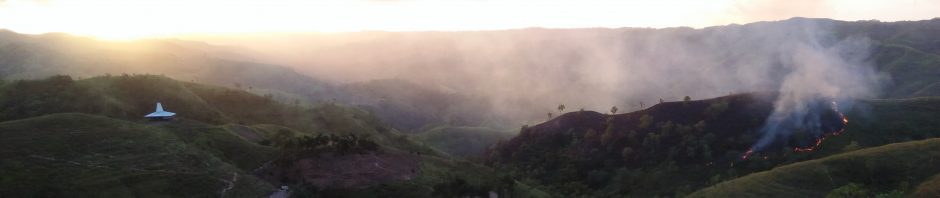
You might remember cyclone Seroja visiting Australia and giving Kalbarri a thrashing. Prior to that she had danced down the streets of Eastern Indonesia, flinging roofs off houses, snapping trees, causing significant damage – in some places, she came around later for a second round to make sure nothing had been left untouched. In the days that followed, I remember scrambling to get in touch with people that I knew over there, and those uncomfortable hours – and in some cases days – where I waited to hear back from friends in the impact zone. That’s one of the risks of getting to know people in disaster-prone areas I suppose.
Last week, right at the end of a very full and very encouraging week with TLM in West Timor and Rote, we visited a few of the folks who had been impacted by Seroja, and were assisted by TLM in the aftermath. Their homes are tucked away in the backstreets of Kupang, in places I wouldn’t normally visit – I’d get lost in the maze of narrow streets and ram-shackled houses, though we were likely only a few streets back from the main road. I’m always intrigued by the way that whole life stories are being crafted, with all their joys, hurt and drama just out of reach and a few streets back.
The first lady we visited runs a tiny shop next to her home, selling soap, snacks and cigarettes. Her husband isn’t able to work because of health issues, and so things are pretty tight, but like so many tenacious women, she gets by. When cyclone Seroja came, she hid with her family in the front room while their roof slowly peeled off, exposing the night sky and the lashing rain. It sounded like war, she said.
She showed us the new roof, and expressed her thankfulness for the assistance she had received. I asked a few more questions, but it was a fairly short conversation. I want to be careful about expressing some kind of assumption about how things were for her – it takes a lifetime to know people, and we were only there for 20 minutes or so – but she seemed to express something like: the house was smashed up, it’s been fixed, thanks for the help, I’ve got soap and cigarettes to sell. Not dismissive, but seemingly unscarred by what I would consider a rather hectic event.
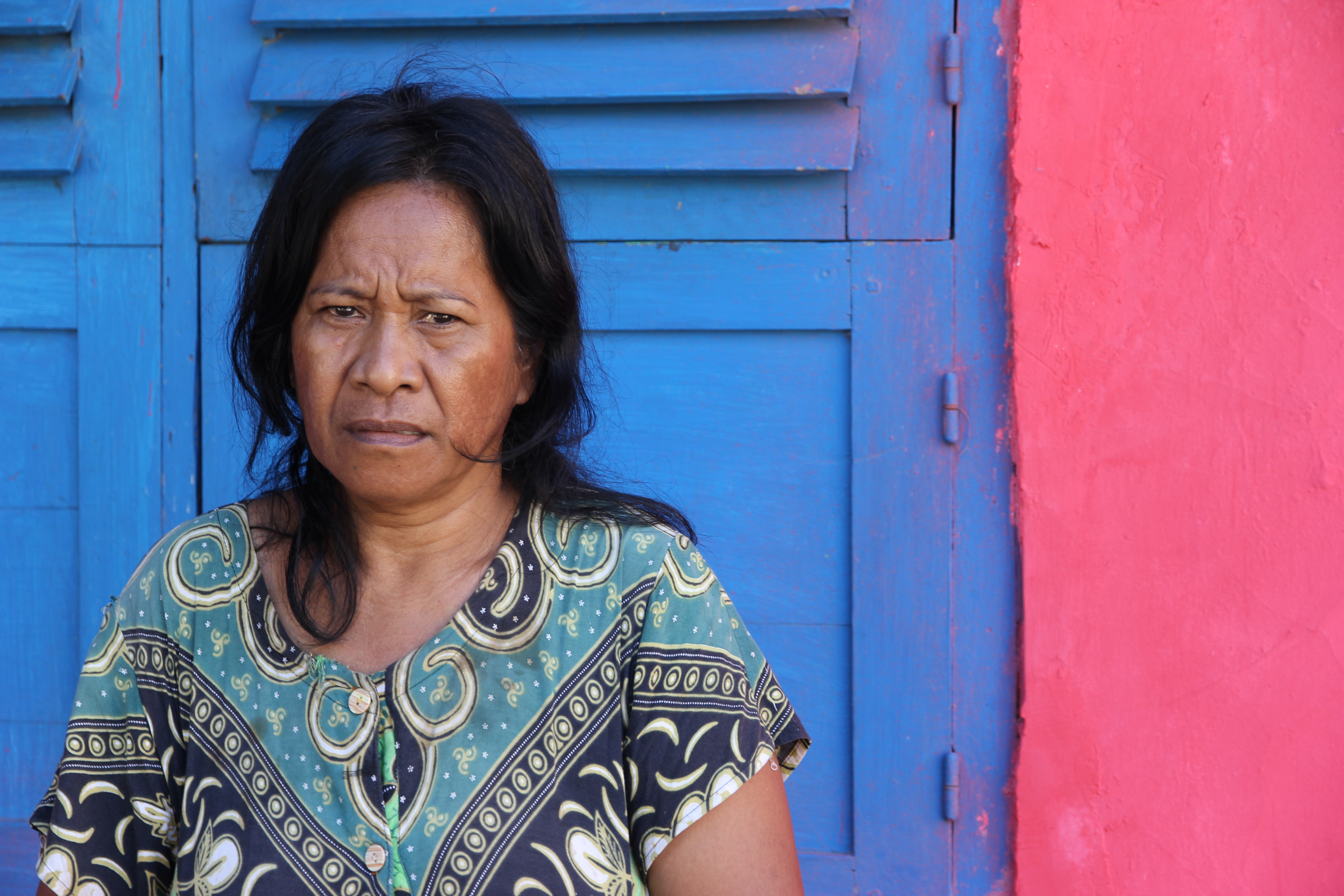
I have few qualms about sharing her story – and she was happy for us to share it. It’s fairly straightforward, and while the usual power imbalances and accompanying conundrums were there, it felt ok to share her story.
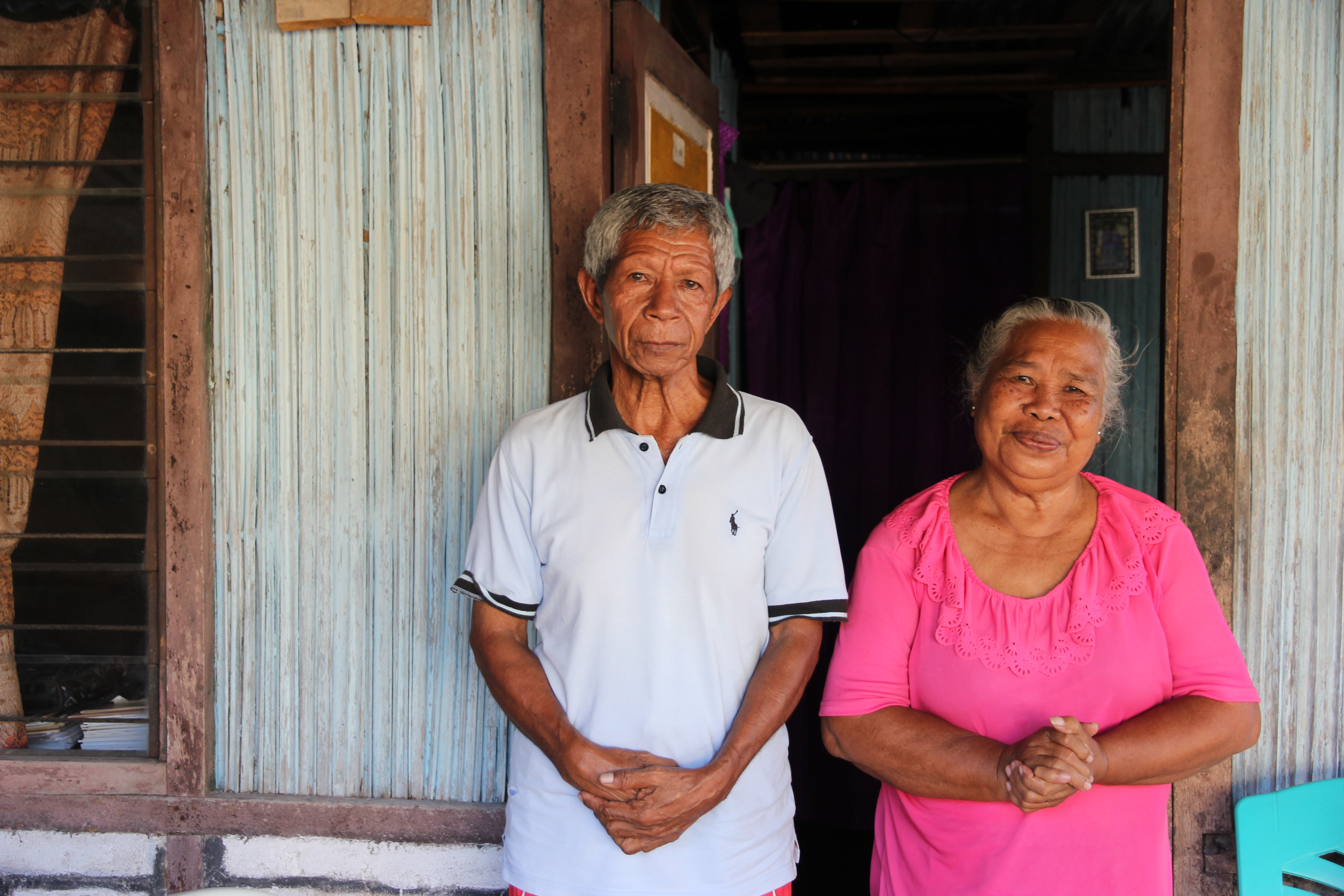
But Opa was different. We visited him shortly afterwards, and he started his story in similar way. As night fell, the wind started picking up and the rain got heavier until it reached a crescendo. At around 2am, he said, things shifted gears and a terrifying eternity began as they were enveloped by darkness and the sound of things being shredded, let go, smashing into each other. Their roof lifted off, and he cowered in the corner of the living room with his wife and grandchild, calling out to God and convinced that they would die. They spent hours like that, nowhere to go, nowhere to hide, nothing to protect themselves: an eighty-something-year-old, his wife and teenage grandchild waiting to die in a terrifying, chaotic darkness.
As he retold what happened, the terror returned and he’d choke up, sort of gasping for air as he felt that night rush back and take over his body. But he kept telling the story, and ran over it a few times like he wanted to make sure we got the full picture, that we understood something of what he had gone through.
In the silences I was tearing up with a mix of emotion. It’s just not right for people to have these kinds of experiences, and climate change aside, there is enough money in the world to build safe houses and disaster evacuation systems to prevent the Opas of the world from cowering their way through a cyclone. His suffering – their suffering – was entirely preventable, unnecessary. It’s like we’re running a torture machine from another continent.
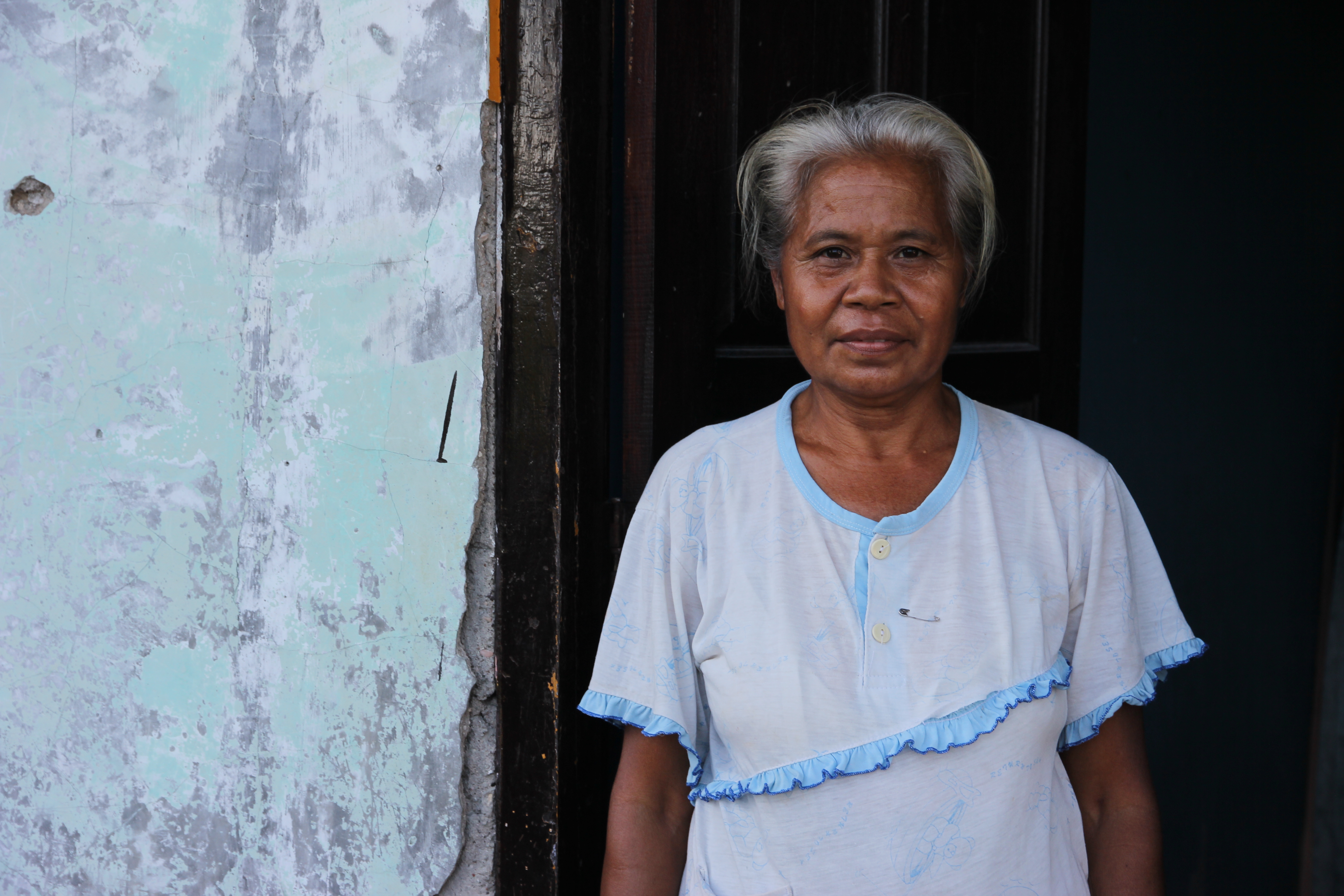
We walked further up the road, and met another lady whose experience seemed similar to the first one we had met – her husband was seriously ill, just back from hospital and half the house was trying to isolate because of Covid-19 when the cyclone hit. Same story: roof off, waiting for what felt like eternity in the darkness while Seroja smashed up the place. The family huddled together, the rain coming in, a long wait in the deafening chaos. But like the first lady, she spoke with a calmness that seemed to suggest she had been able to place it, or that it wasn’t the first terrifying disaster she had been through.
As we walked back down the hill and past Opa’s place, I couldn’t help but wonder about this whole story-collecting-for-supporters role. Surely it’s good for us to share stories with people back home, and my hope is that we’ll use them to encourage, convict, teach or show a different angle on things. For example, we were there to hear stories of positive impact from our assistance, but Opa’s example showed that we need more justice pre-disaster, and more than new tin roofs post-disaster.
But which stories should we share? Are there at times stories that we should sit and listen to and leave behind? And who should choose which are shared, and which are left? But regardless, who are we to come and make this man re-live an evidently traumatic experience? Or was it somehow cathartic for him to be seen and heard, for someone in a position of power to come and sit and listen empathetically to his story? Were we perhaps the first? Or were we just another organisation wanting a good news story for our donors? Is getting consent to share his story even consent if he’s so shaken at the time we ask for permission? Or is us sharing his story in a way that hopefully helps people feel something of what he felt – can that somehow be empowering for him and educational for supporters? Should we share stories based on net-benefit? Can sharing stories be done in a way that somehow builds relationships between rich and poor? How do we determine when it’s appropriate and not appropriate to share a story? How do we help financial supporters see beyond the roof they donated to the person who lives under it – with all their complexity and nuance? How do we capture that in 20 minutes, two photos and 300 words? And who ultimately benefits from the sharing of this story?
On the way over to Kupang, I had caught up with a good friend for a late-night chat in Bali – someone who created space for me to work in the realm of development before I had any qualifications or experience. He’s something of a mentor to me – when I grow up, I’d be pretty content if I turn out like Simon. But I remember hitting him up a long time ago with a similar list of questions I had about things, and he said something along the lines of: sometimes the answer is the questioning.
So I suppose I’m thankful that Opa was willing to share his story with me in the way he did, with all his vulnerability and pain. At very least, it’s made me pause and ask some questions about why I want to hear these stories and how do I go about it in a way that genuinely cares for the person whose story I’ve had the privilege of hearing. And so perhaps the question that lingers strongest is:
What did Opa think and feel as he watched the bule walk back to his motorbike?
I guess I’ll never know.
But my hope?
That somehow he felt heard and loved.
 patmos
Opa told you, and now we’ve heard his story too. While you may never know how his story touches others, it seems that Opa knew. Now we also love Opa. Thank you, Love Daniel.
Amen. Thanks Daniel!
Thanks for this. I love your work. You’re one of my favorites!
Hey Chuck, thanks for dropping by! I always enjoy your Monday morning reports of serving folks on the streets. Hope you and the family are well!